
Tarangire National Park
Tanzania’s Premier Baobab and Elephant Haven
Situated in northern Tanzania, Tarangire National Park covers roughly 2,850 square kilometers of sweeping savannahs, seasonal swamps, and ancient baobab trees. The distinct terrain of Tarangire National Park serves as an essential wildlife corridor within the greater Maasai Steppe ecosystem. Home to over 55 mammal species and more than 500 recorded bird species, Tarangire National Park protects vibrant populations of lions, leopards, cheetahs, giraffes, wildebeests, and some of Africa’s highest concentrations of free-roaming elephants.
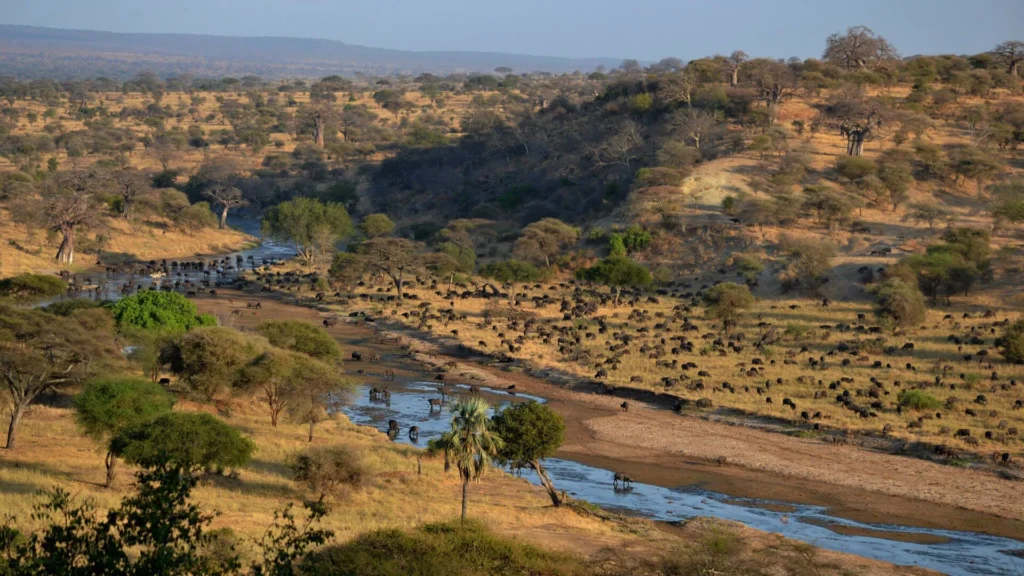
Why Are the Tarangire River Safaris and Giant Herd Gatherings So Renowned?
Unrivaled Dry-Season Wildlife Encounters Along the Lifeline River
Exploring Tarangire National Park during the dry months delivers breathtaking big game viewing along the Tarangire River, the sole permanent water source in the region. Guided game drives across Tarangire National Park allow visitors to observe hundreds of elephants digging for underground water in dry riverbeds alongside large herds of zebras, elands, and Cape buffaloes. Beyond river tracking, game viewing in Tarangire National Park offers incredible opportunities to spot rare dry-country antelopes like the fringe-eared oryx and long-necked gerenuk.
What Cultural Experiences Can You Enjoy Near Your Safari Lodge around Tarangire National Park?
Authentic Heritage Encounters with Maasai and Barabaig Communities
A safari journey through Tarangire National Park offers rich opportunities to connect with local tribal culture directly outside your eco-lodge or luxury tented camp. Guests staying near Tarangire National Park can take part in rewarding, community-led cultural initiatives:
- Maasai Boma Village Encounters: Visit authentic pastoralist villages bordering Tarangire National Park to learn about nomadic cattle herding, traditional mud-and-thatch house building, and vibrant Adumu jumping dances.
- Barabaig and Datoga Cultural Walks: Engage with indigenous pastoralist and artisan communities living near Tarangire National Park to observe traditional blacksmithing, metal crafting, and ancient storytelling.
- Guided Ethnobotanical Bush Walks: Join local village guides outside Tarangire National Park to discover ancient bush survival skills, tracking techniques, and traditional herbal medicine extracted from local trees.
How Do You Plan the Ideal Trip to Tarangire National Park?
Selecting the Best Season for Elephant Tracking and Birding
Understanding seasonal climate trends ensures you experience optimal conditions in Tarangire National Park. The primary dry season—running from July to October—is the absolute best time to visit Tarangire National Park, as sparse vegetation and drying waterholes force thousands of animals to congregate along the main riverbanks. Visiting Tarangire National Park during the wet green season (November to May) unveils lush green landscapes, lower lodge rates, and magnificent birdwatching conditions as migratory species arrive.
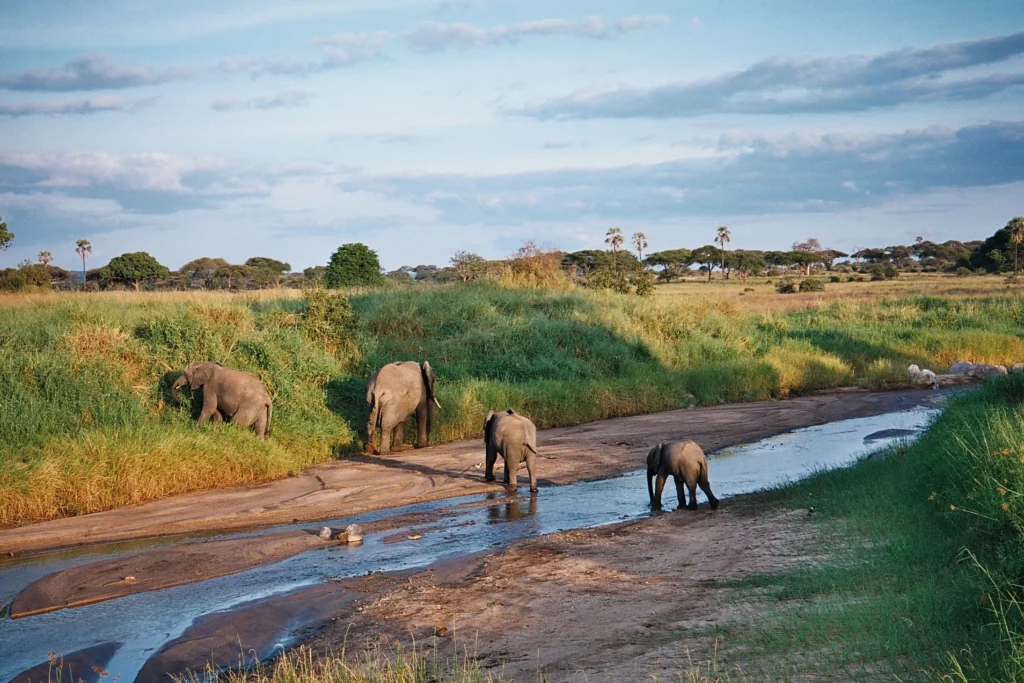
Why Experience Tarangire National Park with Lyec Adventures Ltd?
Tailored Expeditions, Private Logistics, and Sustainable Tourism
At Lyec Adventures Ltd, we design customized safari itineraries centered on Tarangire National Park. We handle every detail—booking top-rated safari lodges near Tarangire National Park, providing private 4×4 Land Cruisers with expert driver-guides, securing park permits, and arranging authentic local cultural tours. Partnering with Lyec Adventures Ltd guarantees that your visit to Tarangire National Park directly supports habitat conservation and local community empowerment.