
Gishwati-Mukura National Park
A UNESCO Biosphere Reserve Teeming with Primate Life
Situated in northwestern Rwanda along the Albertine Rift ridge, Gishwati-Mukura National Park stands as a shining beacon of modern conservation and ecological restoration. Spanning roughly 34 square kilometers across the Gishwati and Mukura montane forest blocks, Gishwati-Mukura National Park protects a rich biodiversity corridor between Lake Kivu and Nyungwe Forest. Formally established to protect recovering montane canopy, Gishwati-Mukura harbors over 60 indigenous tree species, nearly 400 recorded bird species, and diverse primate species including golden monkeys, L’Hoest’s monkeys, colobus monkeys, and wild chimpanzees.
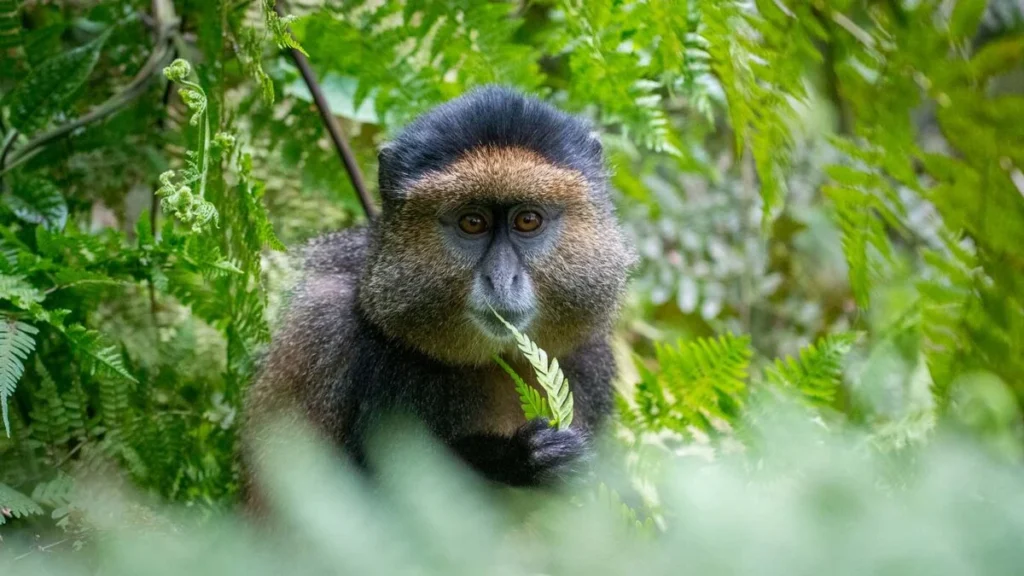
Gishwati-Mukura National Park
Why Are Primate Tracking and Nature Walks in Gishwati-Mukura Truly Special?
Intimate Chimpanzee Trekking and Serene Forest Waterfalls
A journey to Gishwati-Mukura offers an exclusive, crowd-free alternative for nature lovers seeking authentic wild encounters. Guided chimpanzee tracking inside Gishwati-Mukura allows guests to accompany expert park rangers to observe habituated chimp groups in their natural rainforest habitat. Complementing chimpanzee tracking, guided hiking trails in Gishwati-Mukura National Park lead adventurers through lush bamboo groves straight to the picturesque Kazeneza Waterfall, while birdwatchers spot rare Albertine Rift endemic species along quiet forest paths.
What Cultural Experiences Can You Enjoy Near Your Safari Lodge around Gishwati-Mukura?
Immersion into Local Heritage and Rural Community Projects
A safari to Gishwati-Mukura provides rich, immersive cultural encounters directly outside your eco-lodge. Guests staying at luxury facilities like Gishwati Lodge bordering Gishwati-Mukura can engage directly with nearby rural homesteads and community initiatives:
- Traditional Beekeeping and Herbal Medicine Tours: Join local community cooperatives around Gishwati-Mukura to learn traditional beekeeping techniques and discover indigenous medicinal plants used by Rwandan traditional healers.
- Tea Plantation and Farm-Stay Encounters: Take guided walks through rolling hillside tea estates surrounding Gishwati-Mukura National Park, participating in tea picking, traditional crop harvesting, and local cooking classes.
- Community Folklore, Dance, and Handicraft Workshops: Enjoy vibrant evening storytelling, traditional dance performances, and handicraft workshops organized by local artisan cooperatives adjacent to Gishwati-Mukura National Park.
How Do You Plan the Ideal Trip to Gishwati-Mukura?
Choosing the Best Weather for Forest Trails and Birding
Understanding seasonal climate patterns ensures a seamless wilderness journey in Gishwati-Mukura National Park. The primary dry seasons—from June to September and December to February—provide optimal conditions in Gishwati-Mukura, featuring drier forest trails and ideal hiking weather for primate trekking. Visiting Gishwati-Mukura during the wetter months (March to May and October to November) unveils lush green landscapes, rushing waterfall streams, and magnificent birdwatching conditions as migratory species arrive.
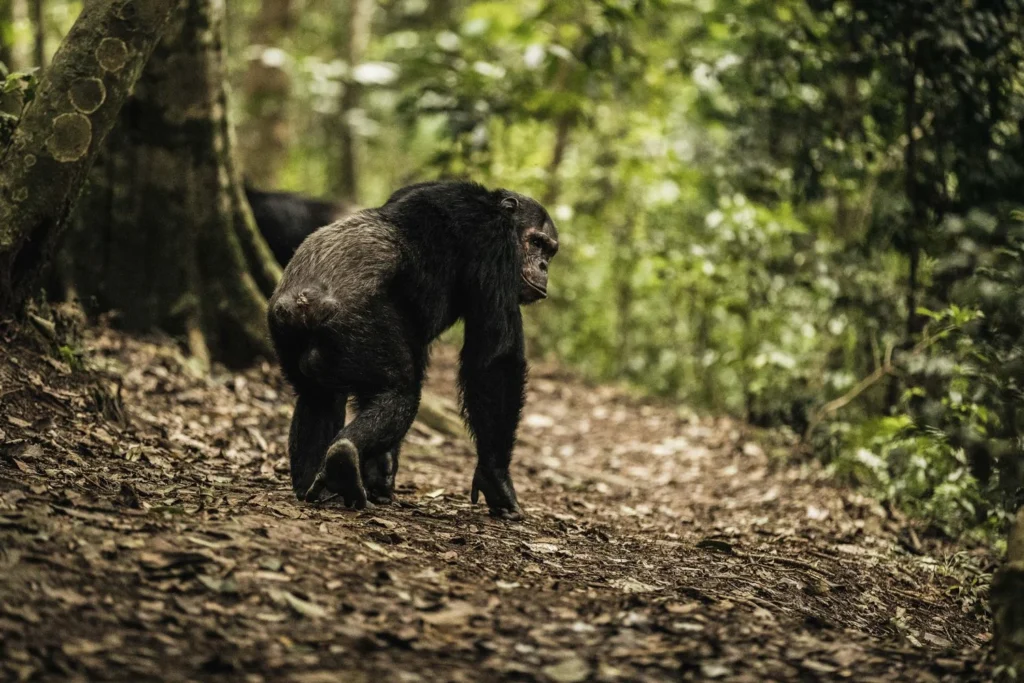
Gishwati-Mukura National Park
Why Experience Gishwati-Mukura with Lyec Adventures Ltd?
Tailored Eco-Tours, Private Transport, and Local Community Support
At Lyec Adventures Ltd, we design customized safari packages centered on Gishwati-Mukura. We handle every detail—securing official primate tracking permits, booking luxury or eco-friendly safari lodge accommodations near Gishwati-Mukura, arranging private 4×4 transfers, and organizing authentic local cultural tours. Partnering with Lyec Adventures Ltd ensures your visit to Gishwati-Mukura actively promotes sustainable forest restoration and empowers surrounding local communities.