Mgahinga Gorilla National Park
Volcanic Peaks and Rare Mountain Habitats
Perched along the borders of Rwanda and the Democratic Republic of Congo, Mgahinga Gorilla National Park is an extraordinary wilderness guarded by three ancient volcanoes: Mount Muhavura, Mount Gahinga, and Mount Sabinyo. Though compact, Mgahinga National Park delivers unmatched natural beauty, wrapping dramatic bamboo thickets, alpine moorlands, and cloud forests into one stunning landscape. As Uganda‘s highest-altitude sanctuary, Mgahinga National Park provides a protected haven where rare primates roam freely across untouched volcanic slopes.
Why Does Gorilla Trekking in Mgahinga National Park Offer an Exclusive Escape?
Peaceful Primates and Golden Canopy Encounters
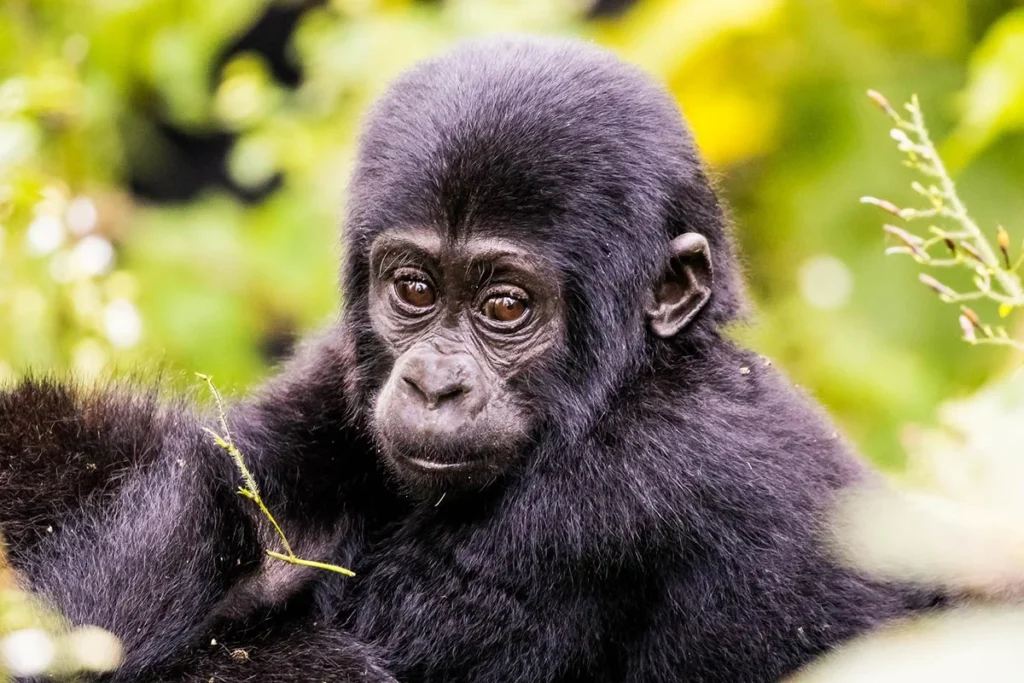
Choosing Mgahinga Gorilla National Park for your primate expedition means enjoying quiet, uncrowded trails away from heavy tourist traffic. Within Mgahinga National Park, visitors can trek to see the famous Nyakagezi gorilla family, a group known for its gentle nature and unique cluster of silverback males. Tracking through Mgahinga National Park leads you through mist-covered hills until you find yourself watching wild mountain gorillas as they forage, play, and interact in absolute tranquility.
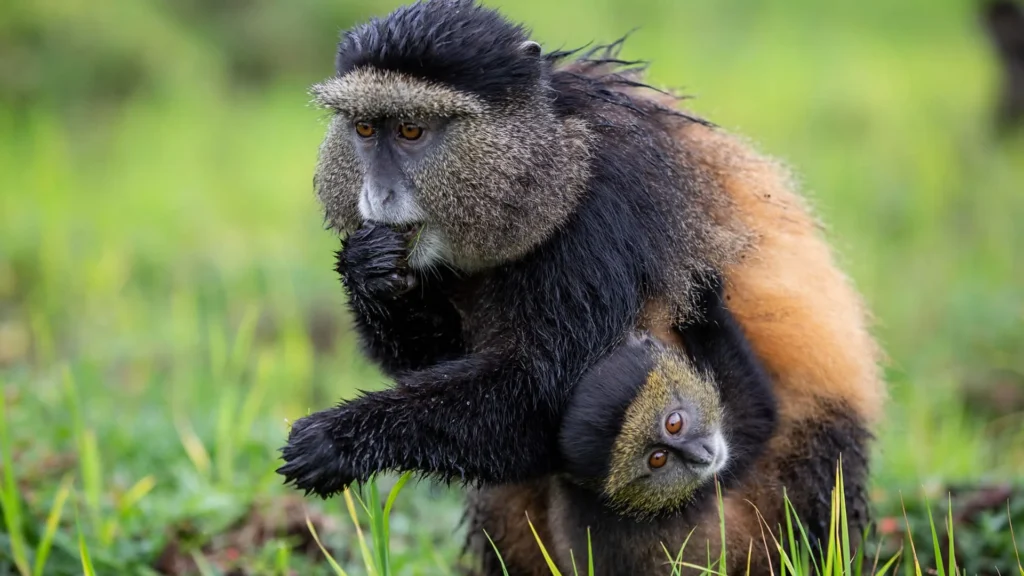
In addition to mountain gorillas, Mgahinga National Park is famous for golden monkey tracking. These vibrant, active primates leap through the bamboo canopy of Mgahinga National Park, giving travelers a chance to observe two endangered primate species in a single destination.
What Unique Cultural Encounters Await Near Your Safari Lodge around Mgahinga National Park?
Connecting with Ancient Heritage and Local Traditions
A trip to Mgahinga National Park offers meaningful cultural connections alongside game viewing. Staying at a lodge nestled near Mgahinga National Park allows you to experience authentic traditions passed down through centuries.
- The Sacred Ngarama Cave Experience: Accompanied by indigenous Batwa elders—the ancient forest dwellers of Mgahinga National Park—explore the historic Ngarama Cave. Listen to centuries-old stories, discover traditional bushcraft and herbal medicines, and experience powerful traditional songs performed within the subterranean chambers.
- Bafumbira Homestead Visits: Explore the vibrant farming villages outside Mgahinga National Park. Walk through terraced mountainside farms, discover traditional cooking methods, and learn how local communities produce organic honey and coffee.
- Community Craft Workshops: Many eco-lodges around Mgahinga National Park partner directly with local women’s cooperatives. Guests can participate in basket-weaving workshops, purchase handcrafted souvenirs, and learn how tourism directly funds local education and clean water projects.
How Can You Plan the Perfect Visit to Mgahinga National Park?
Choosing the Best Weather for Volcano Trails and Wildlife Tracking
Understanding seasonal patterns helps you get the most out of your journey to Mgahinga National Park. The dry months of June through August and December through February present optimal conditions for exploring Mgahinga National Park, featuring firm trails for both gorilla trekking and climbing the summit of Mount Sabinyo. Alternatively, visiting Mgahinga National Park during the rainy seasons (March to May and September to November) offers striking green scenery, lush photography backdrops, and fantastic opportunities for spotting rare Albertine Rift endemic birds.
Mgahinga Gorilla National Park
Why Experience Mgahinga National Park with Lyec Adventures Ltd?
Expert Local Knowledge and Seamless Journey Planning
Lyec Adventures Ltd crafts fully personalized safari experiences centered around Mgahinga National Park. We take care of every detail—securing gorilla and golden monkey permits, booking top-rated eco-lodges near Mgahinga National Park, coordinating comfortable 4×4 transport, and organizing enriching community encounters. By traveling to Mgahinga National Park with Lyec Adventures Ltd, you enjoy a seamless journey that directly supports regional conservation and community empowerment.